Overview of Transition Activities
Since its inception, in the small town of Totnes in southwest England in 2006, the Transition movement has mushroomed into a worldwide network of community groups, all working to transition to a low-carbon, sustainable future. This grassroots movement is based on key principles, above all working with the ‘head, heart and hands’, i.e. intelligence, compassion and practical action combined.
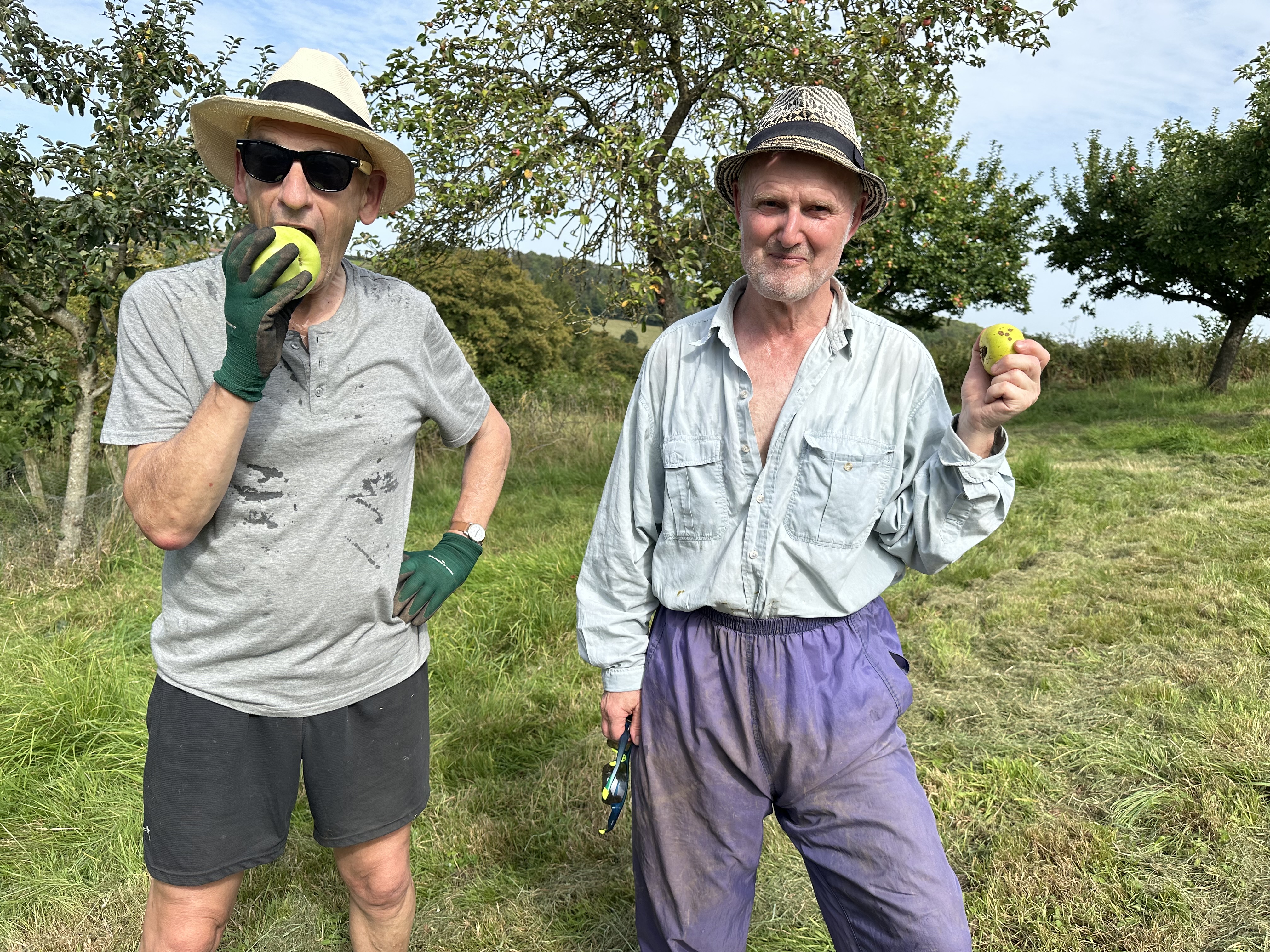
Over the course of two decades and in over 48 countries, the movement has grown into an incredible force, helping to re-localise food systems, generate renewable energy, reduce waste, strengthen communities and create a whole variety of green spaces. However, people’s own memories and stories of their own experience of the Transition movement has never been documented using oral history techniques.
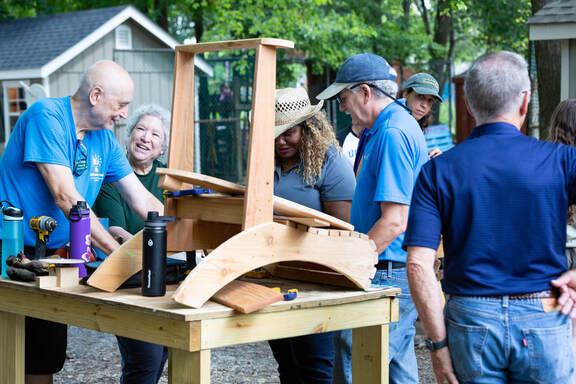
In 2023, the Environment and Climate Change Special Interest Group of the Oral History Society decided that the time was ripe for a project like this one.
For our oral history, we decided not to be bound by that particular name – since many groups do not have the word ‘transition’ in their title – but rather by the practices and principles involved: sustainability, building resilience, and taking action at a local level. We also decided that each country should develop in its own approach: like the Transition movement itself being led by the bottom-up, and informed by the skills and interests of the individuals in the teams.
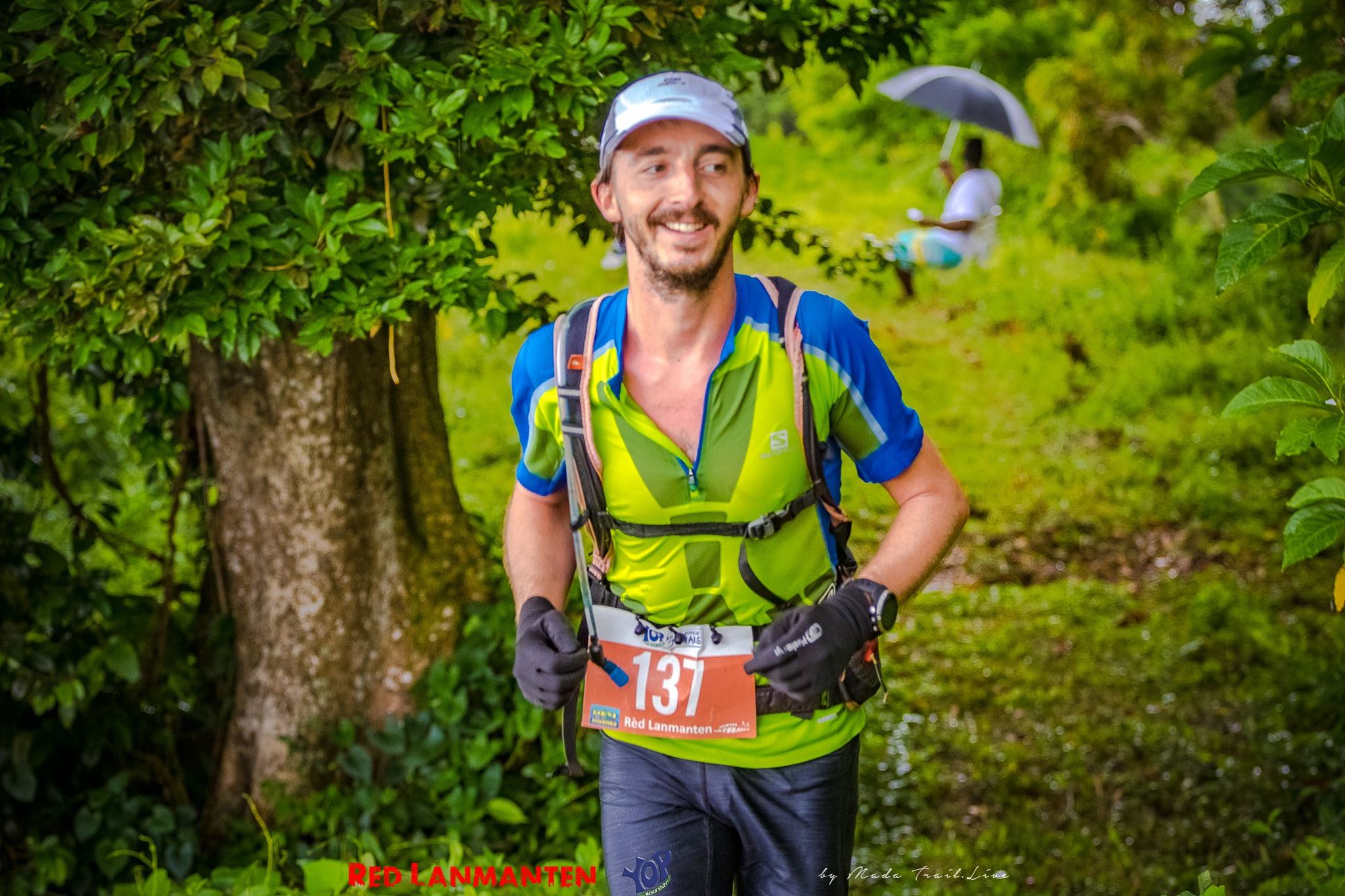
This exhibit brings together oral history projects from France, the United Kingdom, and the United States, with contributions from Sweden to be added soon. These regional collections form part of a broader collaborative initiative aimed at documenting the experiences, insights, and impact of individuals involved in the Transition Towns Movement.
Our ultimate goal is to use the success of this joint endeavor as a foundation for developing a more comprehensive, global oral history of the Transition Towns Movement. Through this, we aim to capture and preserve the voices of those shaping community-led responses to climate change, social justice, and economic resilience around the world.
The exhibit is organized by region, beginning with an introductory page for each region, followed by profiles of interviewees and their complete interviews. The final section brings these voices together by highlighting key themes that emerged across all regions—illuminating the shared values, challenges, and innovations that define grassroots environmental movements globally.
You may scroll to the bottom of this page to explore the exhibit in sequence, or navigate freely through the content in any order you prefer.
We are indebted to Virginia Tech University for hosting this joint website, with special thanks to Dr Jessica Taylor and Serai’ya Crawley for facilitating this.
This page has paths:
- Southwest France: An Overview Serai'ya Crawley
- Taking Action For The Climate Serai'ya Crawley
- Facing The Future Serai'ya Crawley
- Building Hope Serai'ya Crawley
- Importance of Community Serai'ya Crawley
- Southwest England: The Interviews Serai'ya Crawley
- Appalachia: The Interviews Serai'ya Crawley
- Southwest France: The Interviewees Serai'ya Crawley
- Overview of Transition Activities Serai'ya Crawley
- Southwest England: An Overview Serai'ya Crawley
- Appalachia: An Overview Serai'ya Crawley
- Connecting With Nature Serai'ya Crawley
Contents of this path:
- Oral Histories of The Transition Towns Movement
- Overview of Transition Activities
- Southwest England: An Overview
- Southwest England: The Interviews
- Appalachia: An Overview
- Appalachia: The Interviews
- Southwest France: An Overview
- Southwest France: The Interviewees
- Taking Action For The Climate
- Connecting With Nature
- Facing The Future
- Importance of Community
- Building Hope