Overview of Transition Activities
Since its inception, in the small town of Totnes in southwest England in 2006, the Transition movement has mushroomed into a worldwide network of community groups, all working to transition to a low-carbon, sustainable future. This grassroots movement is based on key principles, above all working with the ‘head, heart and hands’, i.e. intelligence, compassion and practical action combined.
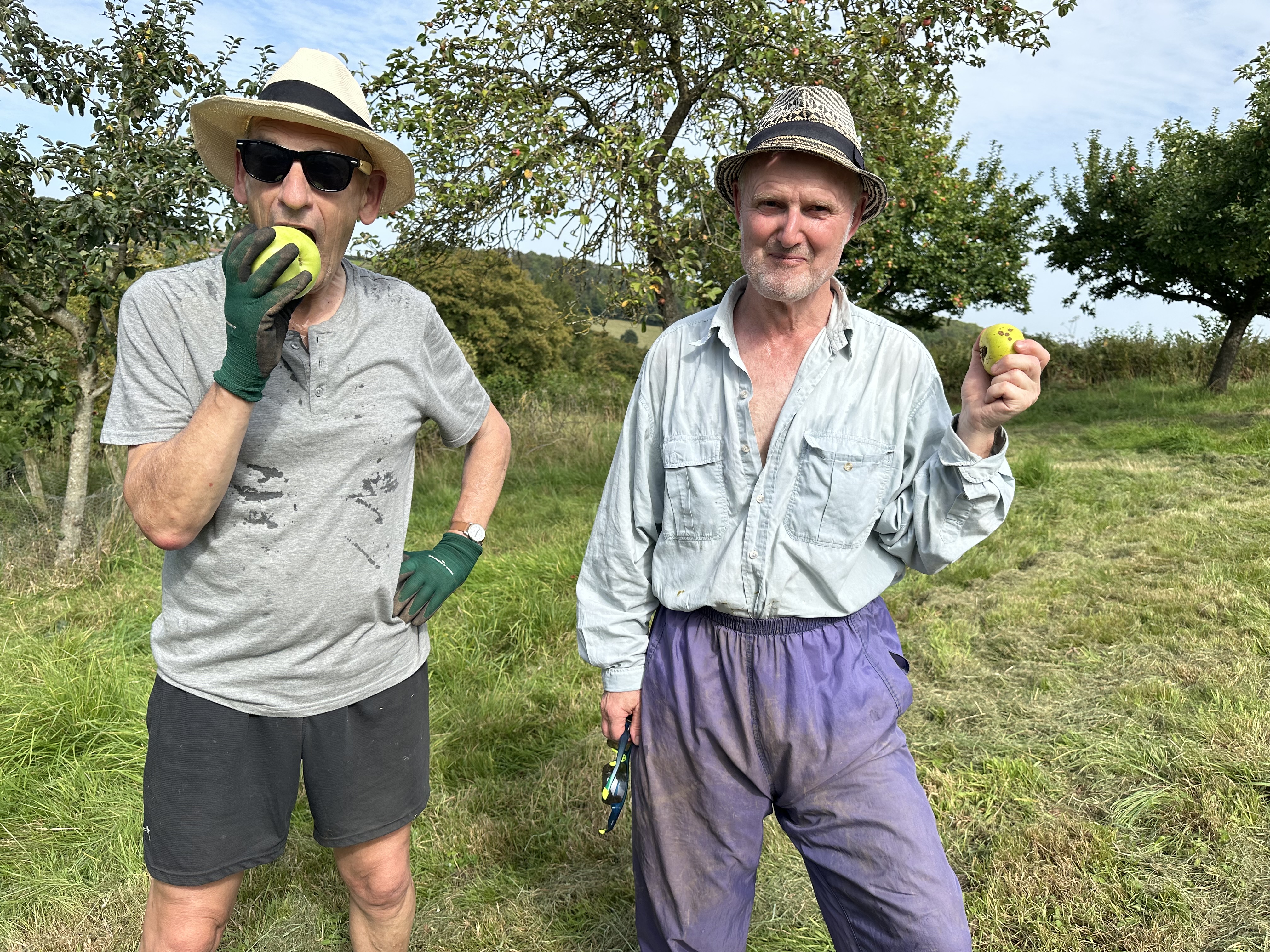
Over the course of two decades and in over 48 countries, the movement has grown into an incredible force, helping to re-localise food systems, generate renewable energy, reduce waste, strengthen communities and create a whole variety of green spaces. However, people’s own memories and stories of their own experience of the Transition movement has never been documented using oral history techniques.
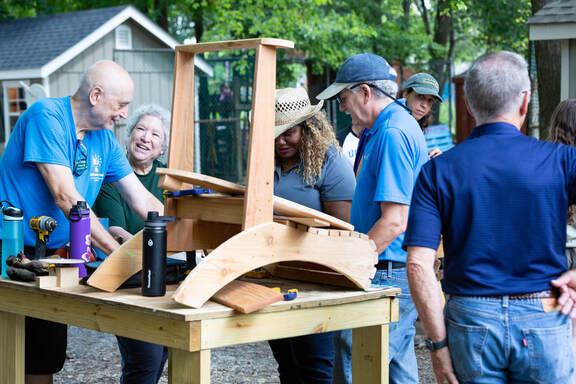
In 2023, the Environment and Climate Change Special Interest Group of the Oral History Society decided that the time was ripe for a project like this one.
For our oral history, we decided not to be bound by that particular name – since many groups do not have the word ‘transition’ in their title – but rather by the practices and principles involved: sustainability, building resilience, and taking action at a local level. We also decided that each country should develop in its own approach: like the Transition movement itself being led by the bottom-up, and informed by the skills and interests of the individuals in the teams.
Projects from France, the UK and the USA are showcased here, with Sweden to follow. We hope that as a result of the success of this joint endeavour we will then be able to undertake a wider oral history of the Transition Movement globally.
We are indebted to Virginia Tech University for hosting this joint website, with special thanks to Dr Jessica Taylor and Serai’ya Crawley for facilitating this.
This page has paths:
- Oral Histories of The Transition Towns Movement Serai'ya Crawley